

Understanding Nigerian Goats: Breeds and Characteristics
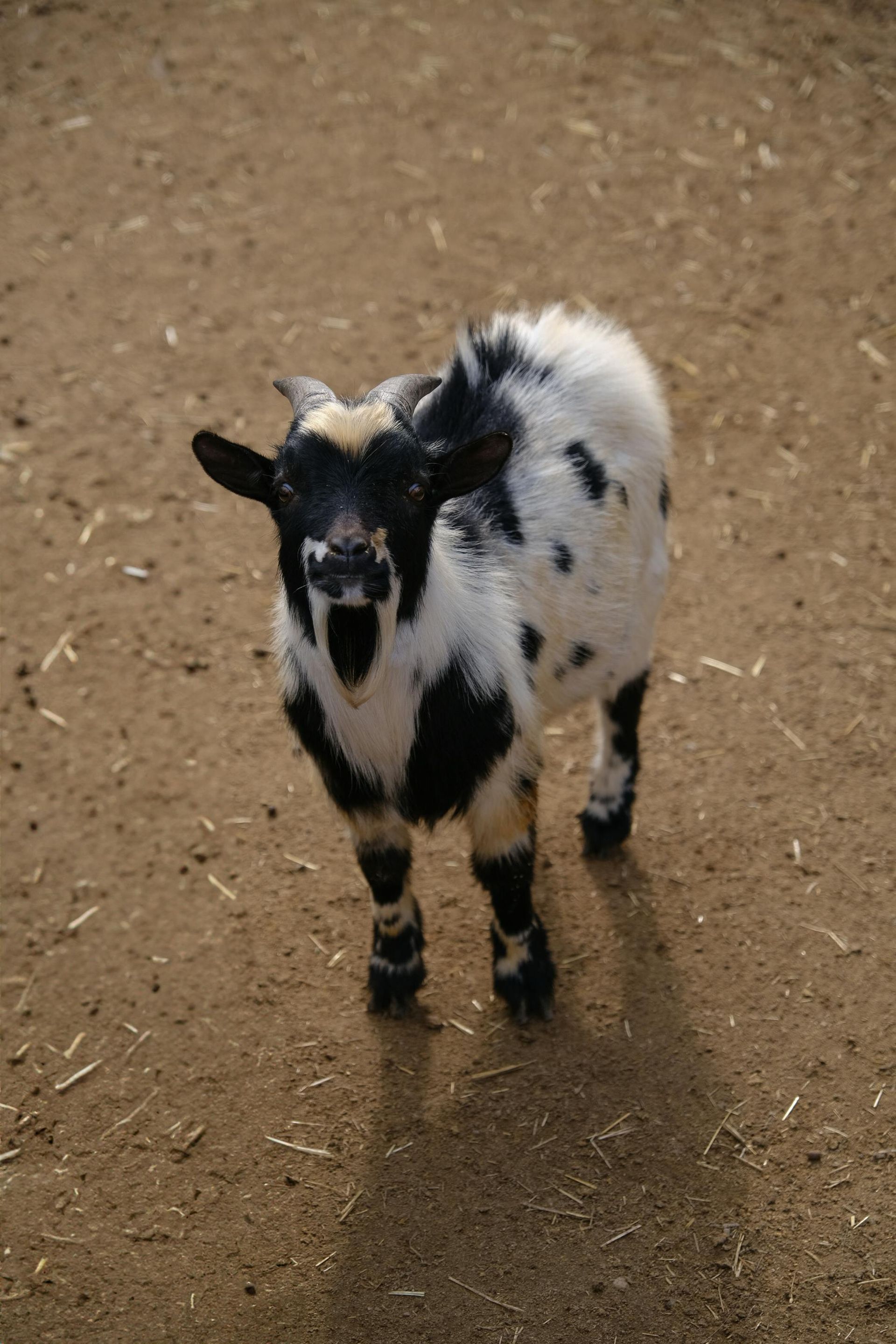
Eye-level view of a Nigerian goat grazing in a lush green pasture
Goats have been an integral part of Nigerian agriculture for centuries, serving as a source of meat, milk, and fiber. With a rich diversity of breeds, Nigerian goats are known for their adaptability, resilience, and unique characteristics. This blog post will explore the various breeds of Nigerian goats, their distinct traits, and the roles they play in the lives of farmers and communities across the country.
The Importance of Goats in Nigeria
Goats are more than just livestock in Nigeria; they are a vital part of the agricultural economy. They provide:
- Meat: Goat meat, known as "chevon," is a popular source of protein in Nigerian cuisine.
- Milk: Goat milk is nutritious and often used in local dishes.
- Fiber: Some breeds produce valuable fibers like mohair and cashmere.
- Cultural Significance: Goats are often used in traditional ceremonies and rituals.
The versatility of goats makes them an essential asset for many Nigerian households, especially in rural areas.
Common Breeds of Nigerian Goats
Nigerian goats can be categorized into several breeds, each with its own unique characteristics. Here are some of the most common breeds:
1. West African Dwarf Goat
The West African Dwarf goat is perhaps the most recognized breed in Nigeria. Known for its small size and adaptability, this breed is well-suited for the humid tropical climate of Nigeria.
- Size: Typically stands about 50-70 cm tall.
- Weight: Adults weigh between 25-40 kg.
- Color: They come in various colors, including black, brown, and white.
These goats are primarily kept for meat production and are known for their high fertility rates, making them a popular choice among farmers.
2. Red Sokoto Goat
The Red Sokoto goat, also known as the Maradi goat, is famous for its high-quality meat and skin. This breed is predominantly found in the northern regions of Nigeria.
- Size: Medium-sized, standing about 70-90 cm tall.
- Weight: Adults can weigh between 40-60 kg.
- Color: Characterized by its reddish-brown coat.
The Red Sokoto goat is highly valued for its ability to thrive in arid conditions and is often used in traditional ceremonies.
3. Nigerian Pygmy Goat
The Nigerian Pygmy goat is a small breed that has gained popularity as a pet and for milk production. They are known for their friendly temperament and compact size.
- Size: Stands about 40-60 cm tall.
- Weight: Adults weigh around 20-30 kg.
- Color: They can be black, brown, or a mix of colors.
These goats are often kept in urban settings and are appreciated for their low maintenance needs.
4. Sahel Goat
The Sahel goat is a larger breed that is well-adapted to the semi-arid regions of Nigeria. They are primarily raised for meat and are known for their hardiness.
- Size: Can reach heights of 80-100 cm.
- Weight: Adults typically weigh between 50-80 kg.
- Color: Usually white or light brown.
Sahel goats are known for their good growth rates and are often crossbred with other breeds to improve meat quality.
Characteristics of Nigerian Goats
Understanding the characteristics of Nigerian goats is essential for farmers and enthusiasts alike. Here are some key traits:
Adaptability
Nigerian goats are incredibly adaptable to various environmental conditions. They can thrive in both humid and arid climates, making them suitable for different regions of Nigeria.
Hardiness
These goats are known for their resilience against diseases and harsh weather conditions. Their hardiness allows them to survive in areas with limited resources.
Reproductive Efficiency
Many Nigerian goat breeds exhibit high reproductive rates, with some females capable of producing twins or triplets. This trait is beneficial for farmers looking to increase their herd size quickly.
Foraging Ability
Nigerian goats are excellent foragers and can graze on a variety of vegetation. This ability allows them to thrive in areas where pasture may be limited.
Raising Nigerian Goats: Best Practices
For those interested in raising Nigerian goats, here are some best practices to ensure a healthy and productive herd:
Proper Housing
Goats require shelter that protects them from extreme weather conditions. A well-ventilated barn or shed with adequate space is essential for their well-being.
Nutrition
Providing a balanced diet is crucial for the health of Nigerian goats. Their diet should include:
- Forage: Grass, leaves, and shrubs.
- Concentrates: Grains and legumes for added energy.
- Minerals: Salt and mineral blocks to ensure proper nutrition.
Health Management
Regular health checks and vaccinations are vital to prevent diseases. Farmers should work with veterinarians to establish a health management plan.
Breeding Practices
Selective breeding can improve desirable traits in goats, such as growth rate and disease resistance. Farmers should keep records of breeding and offspring to track progress.
Economic Impact of Goat Farming
Goat farming has a significant economic impact in Nigeria. It provides income for many families and contributes to food security. The demand for goat meat and milk continues to grow, creating opportunities for farmers to expand their operations.
Market Opportunities
Farmers can explore various market opportunities, including:
- Local Markets: Selling live goats or goat products directly to consumers.
- Export: There is a growing demand for Nigerian goat meat in international markets.
- Value-Added Products: Producing cheese, yogurt, and other dairy products can increase profitability.
Challenges in Goat Farming
Despite the benefits, goat farming in Nigeria faces several challenges:
Disease Outbreaks
Diseases such as peste des petits ruminants (PPR) and caprine arthritis encephalitis (CAE) can significantly impact goat populations. Farmers must be vigilant and proactive in managing health risks.
Climate Change
Changing weather patterns can affect forage availability and water supply, posing challenges for goat farmers. Adapting to these changes is crucial for sustainability.
Market Access
Accessing markets can be difficult for smallholder farmers. Establishing cooperatives or associations can help improve market access and bargaining power.
Conclusion
Nigerian goats play a vital role in the agricultural landscape of Nigeria, providing food, income, and cultural significance. Understanding the various breeds and their characteristics can help farmers make informed decisions about raising goats. By adopting best practices and addressing challenges, goat farming can continue to thrive, contributing to the livelihoods of many families across the country.
As you consider the potential of goat farming, remember that these animals are not just livestock; they are a valuable resource that can support sustainable agriculture and enhance food security in Nigeria.