

Nigerian Goat Care: Tips for Healthy and Happy Goats
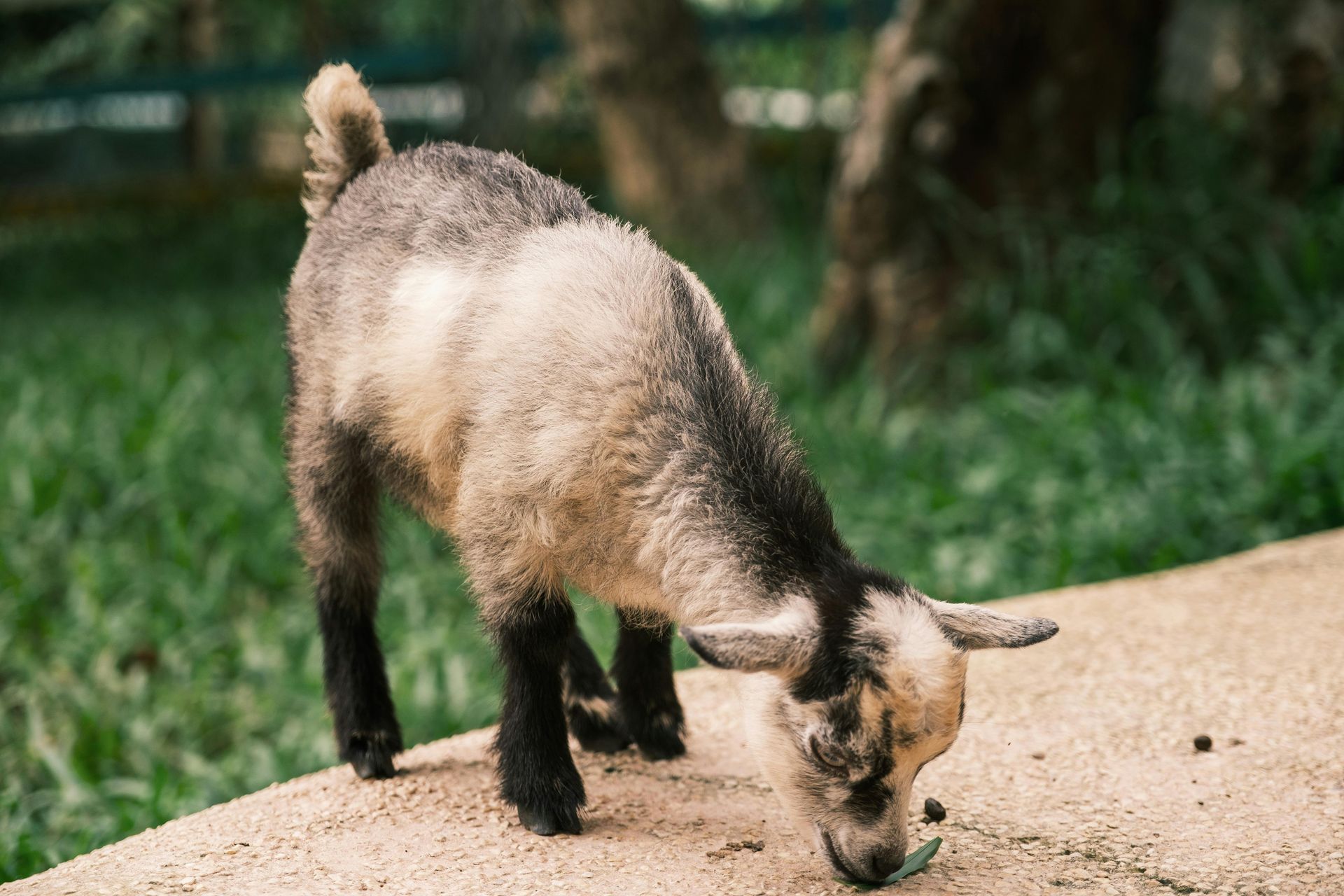
Close-up view of a Nigerian goat grazing in a lush green field
Goats are not just livestock; they are companions, producers, and a vital part of many farming systems, especially in Nigeria. With their playful nature and ability to adapt to various environments, goats can thrive in diverse conditions. However, ensuring their health and happiness requires knowledge and dedication. This guide will provide you with essential tips for caring for your goats, ensuring they lead healthy and fulfilling lives.
Understanding Goat Breeds
Before diving into care tips, it's crucial to understand the different breeds of goats commonly found in Nigeria. Each breed has unique characteristics and care requirements.
Popular Nigerian Goat Breeds
West African Dwarf Goat:
- Known for their small size and adaptability.
- Ideal for small farms and backyards.
- They are hardy and can thrive in various climates.
Nigerian Dwarf Goat:
- A miniature breed known for its friendly temperament.
- Excellent for milk production, especially in small quantities.
- They require less space compared to larger breeds.
Saanen Goat:
- A larger breed known for high milk production.
- Requires more space and a balanced diet to thrive.
- They are sensitive to heat, so shade is essential.
Boer Goat:
- Renowned for meat production.
- They are larger and require more feed.
- Known for their rapid growth and good meat quality.
Understanding these breeds will help you tailor your care approach to meet their specific needs.
Basic Goat Care Essentials
Housing and Shelter
Providing a safe and comfortable shelter is the first step in goat care. Goats need a clean, dry place to rest and escape harsh weather conditions.
- Size: Ensure the shelter is spacious enough for your goats to move around comfortably. A minimum of 15 square feet per goat is recommended.
- Ventilation: Proper airflow is crucial to prevent respiratory issues. Ensure windows and openings are available for fresh air.
- Bedding: Use straw, hay, or wood shavings for bedding. This helps absorb moisture and provides comfort.
Nutrition and Feeding
A balanced diet is vital for the health of your goats. Goats are ruminants, meaning they require a diet high in fiber.
- Forage: Grass, hay, and browse should make up the majority of their diet. Ensure they have access to fresh forage daily.
- Grains: Offer grains like corn or oats in moderation, especially for pregnant or lactating goats.
- Minerals and Vitamins: Provide a mineral block or loose minerals to ensure they receive essential nutrients.
Water Supply
Access to clean, fresh water is crucial. Goats can drink up to 2-3 gallons of water daily, especially in hot weather. Ensure their water supply is clean and free from contaminants.
Health Care and Management
Regular health checks and vaccinations are essential for maintaining your goats' well-being.
Routine Health Checks
- Body Condition: Regularly check your goats' body condition to ensure they are neither underweight nor overweight.
- Hoof Care: Trim hooves every 6-8 weeks to prevent overgrowth and foot rot.
- Signs of Illness: Be vigilant for signs of illness, such as coughing, lethargy, or changes in appetite.
Vaccinations and Deworming
Consult a veterinarian to establish a vaccination schedule. Common vaccinations include:
- CDT Vaccine: Protects against Clostridium perfringens and tetanus.
- Rabies Vaccine: Important in areas where rabies is prevalent.
Deworming should be done regularly, as goats are prone to internal parasites. Use a veterinarian-recommended dewormer and follow the dosage instructions carefully.
Socialization and Behavior
Goats are social animals and thrive in groups. Keeping at least two goats together is recommended to prevent loneliness and stress.
Understanding Goat Behavior
- Playfulness: Goats are naturally curious and playful. Provide toys or obstacles for them to climb and explore.
- Hierarchy: Goats establish a social hierarchy. Observe their interactions to ensure no goat is being bullied or isolated.
- Vocalizations: Goats communicate through various sounds. Learn to recognize their vocalizations to understand their needs better.
Breeding and Reproduction
If you plan to breed your goats, understanding their reproductive cycle is essential.
Breeding Basics
- Estrus Cycle: Female goats (does) come into heat every 18-24 days. The heat lasts about 24-48 hours.
- Gestation: The average gestation period for goats is around 150 days. Provide extra nutrition during this time to support the doe and her kids.
Caring for Kids
- Nutrition: Kids should nurse from their mothers for the first few weeks. If bottle-feeding, use a goat milk replacer.
- Socialization: Introduce kids to other goats gradually to help them develop social skills.
Common Goat Health Issues
Being aware of common health issues can help you act quickly if problems arise.
Common Ailments
- Bloat: A serious condition caused by excessive gas in the rumen. Symptoms include a swollen abdomen and discomfort.
- Foot Rot: A bacterial infection that affects the hooves. Regular hoof care can prevent this issue.
- Coccidiosis: A parasitic infection that affects young goats. Symptoms include diarrhea and lethargy.
Preventative Measures
- Regular Health Checks: Monitor your goats for any signs of illness.
- Clean Environment: Keep their living area clean to prevent the spread of diseases.
Conclusion
Caring for goats in Nigeria requires dedication, knowledge, and a genuine love for these animals. By providing proper shelter, nutrition, health care, and socialization, you can ensure your goats are healthy and happy. Remember, each goat is unique, and understanding their individual needs will lead to a thriving herd.
As you embark on your goat-keeping journey, stay informed and connected with fellow goat owners and veterinarians. Your commitment to their care will not only benefit your goats but also enrich your farming experience. Happy goat keeping!