

Effective Remote Herd Management Advice: Remote Livestock Management Tips
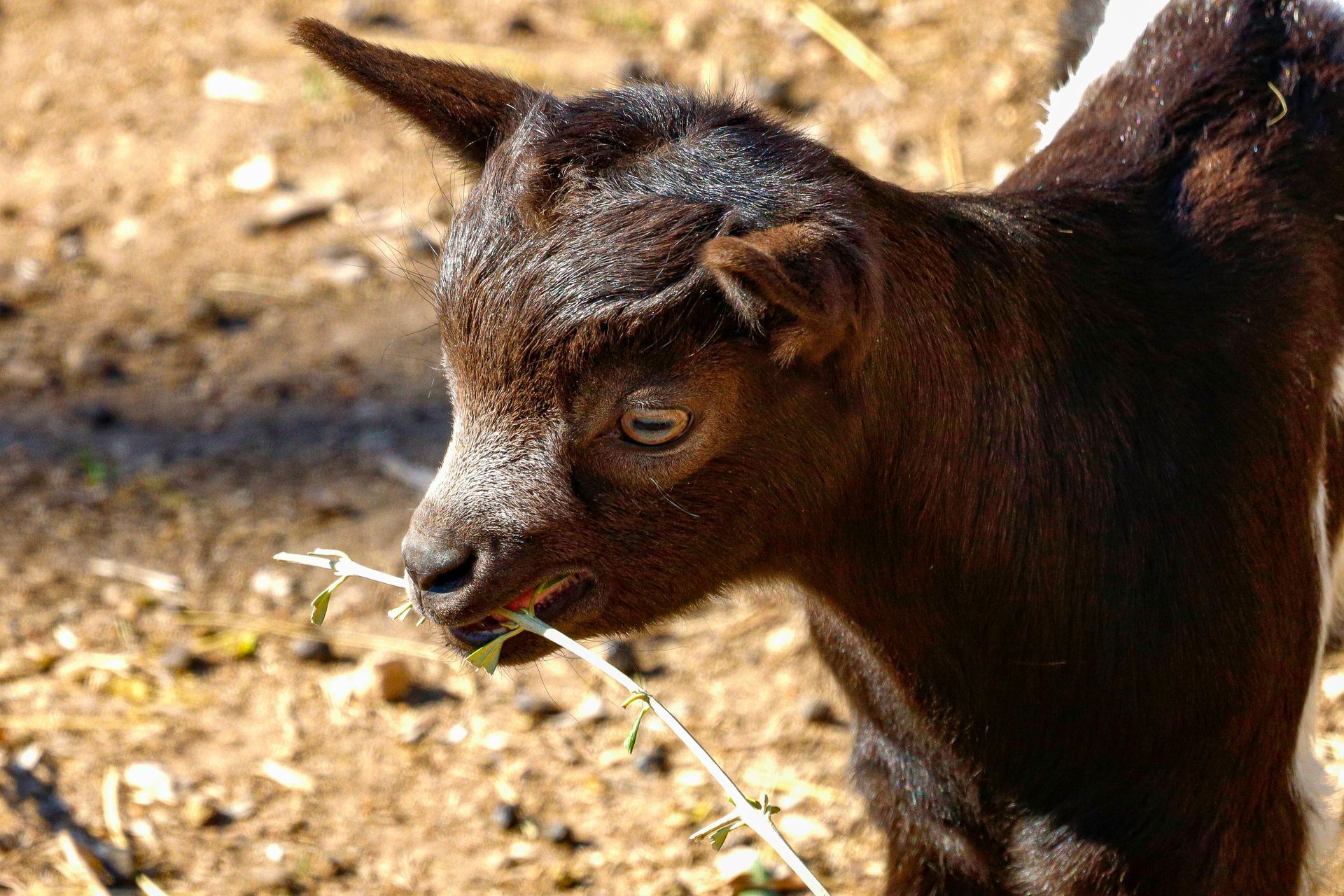
Eye-level view of a Nigerian Dwarf goat standing in a fenced pasture
Managing a herd remotely can be challenging, but with the right strategies, it is entirely possible to maintain a healthy and productive group of animals. Whether you are caring for Nigerian Dwarf goats or other livestock, remote management requires careful planning, reliable technology, and consistent routines. In this post, I will share practical advice and actionable tips to help you succeed in remote herd management.
Understanding Remote Livestock Management Tips
Remote livestock management means overseeing your animals without being physically present all the time. This approach is especially useful for small farmers and homesteaders who may have multiple responsibilities or live some distance from their herds. To manage effectively, you need to focus on three key areas: monitoring, communication, and timely intervention.
First, invest in good monitoring tools. Cameras, sensors, and drones can provide real-time information about your herd’s location, health, and behavior. For example, motion-activated cameras can alert you if animals are in distress or if predators are nearby. Sensors can track temperature, humidity, and even the animals’ vital signs. Using these tools, you can reduce the need for constant physical checks while still staying informed.
Second, establish clear communication channels with anyone who helps care for your herd. This might include family members, hired hands, or neighbors. Make sure they know how to report issues promptly and follow your care protocols. Regular updates via phone calls, texts, or apps can keep you connected and allow you to make decisions quickly.
Finally, plan for timely intervention. Even with the best monitoring, some problems require immediate attention. Have a trusted person nearby who can act on your instructions if you cannot be there. This ensures that emergencies like illness, injury, or equipment failure are handled without delay.
Essential Remote Livestock Management Tips for Daily Care
Daily care routines are the backbone of successful herd management. When you are managing remotely, these routines must be simple, reliable, and easy to delegate. Here are some essential tips to keep your herd healthy and happy:
- Feed and Water Management: Use automatic feeders and waterers where possible. These devices ensure your animals have constant access to fresh food and water. Check remotely if your equipment supports it, or have someone verify daily.
- Health Checks: Train your helpers to perform basic health checks. They should look for signs of illness such as lethargy, loss of appetite, or unusual behavior. Keep a checklist to standardize these observations.
- Shelter and Environment: Make sure shelters are secure and weatherproof. Regularly inspect fencing and gates to prevent escapes or predator access. Remote cameras can help monitor these areas.
- Record Keeping: Maintain detailed records of feeding, health, breeding, and any treatments. Digital logs accessible online can help you track trends and make informed decisions.
- Routine Maintenance: Schedule regular maintenance for equipment and infrastructure. This prevents breakdowns that could jeopardize your herd’s welfare.
By focusing on these daily tasks and ensuring they are done consistently, you can maintain a stable environment for your animals even from a distance.
Using Technology to Enhance Remote Herd Management
Technology plays a crucial role in modern remote herd management. It allows you to monitor your animals closely and respond quickly to any issues. Here are some technologies I recommend:
- Surveillance Cameras: Install cameras in key locations such as feeding areas, water sources, and shelter entrances. Choose models with night vision and motion detection for 24/7 monitoring.
- GPS Trackers: Attach GPS collars to your animals to track their movements. This is especially useful if your herd grazes over a large area or if you want to prevent theft.
- Environmental Sensors: Use sensors to monitor temperature, humidity, and air quality in barns or shelters. These factors affect animal health and comfort.
- Mobile Apps: Many apps are designed for livestock management. They can help you log data, communicate with helpers, and receive alerts.
- Drones: For larger properties, drones can provide aerial views of your herd and land. They help spot problems like broken fences or injured animals quickly.
While technology is a powerful tool, it should complement, not replace, human observation and care. Regular visits and hands-on checks remain essential.
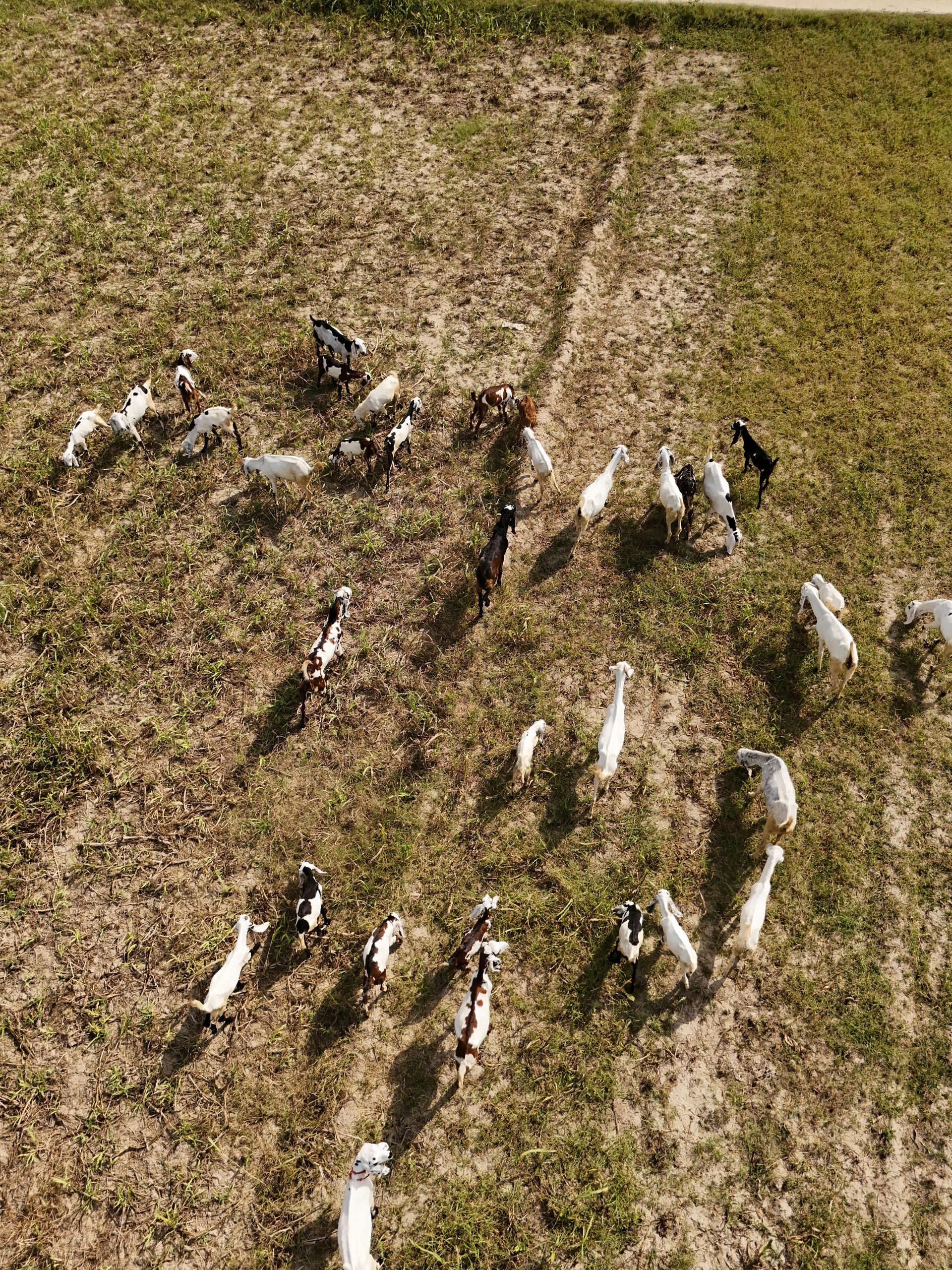
High angle view of a drone flying over a pasture with goats grazing
Practical Strategies for Feeding and Nutrition Management
Proper nutrition is vital for herd health and productivity. Managing feeding remotely requires careful planning and reliable systems. Here are some strategies that have worked well for me:
- Balanced Diet: Ensure your animals receive a balanced diet tailored to their age, breed, and production stage. Nigerian Dwarf goats, for example, need a mix of forage, grains, and minerals.
- Scheduled Feeding: Set fixed feeding times to maintain routine. Automatic feeders can help maintain consistency when you are not on-site.
- Quality Forage: Provide access to good-quality pasture or hay. Regularly test forage for nutrient content to adjust supplements accordingly.
- Supplementation: Use mineral blocks or loose minerals to fill nutritional gaps. Place them in accessible locations and monitor consumption.
- Water Quality: Clean, fresh water is essential. Check water sources regularly and consider filtration systems if needed.
- Monitor Body Condition: Train helpers to assess body condition scores. This helps detect underfeeding or overfeeding early.
By implementing these feeding and nutrition strategies, you can support your herd’s health and growth even when managing remotely.
Building a Support Network for Remote Herd Success
No one can manage a herd alone, especially from a distance. Building a reliable support network is key to successful remote herd management. Here’s how to create one:
- Identify Trusted Helpers: Find people who understand animal care and are willing to assist regularly. This could be family, neighbors, or local farm workers.
- Provide Training: Teach your helpers about your herd’s specific needs, feeding schedules, health signs, and emergency procedures.
- Establish Clear Roles: Define who is responsible for what tasks. Clear roles prevent confusion and ensure all duties are covered.
- Maintain Open Communication: Use group chats, phone calls, or apps to stay in touch. Encourage helpers to report issues immediately.
- Schedule Regular Visits: Plan visits to your herd to assess conditions firsthand and support your helpers.
- Create Emergency Plans: Develop protocols for common emergencies like illness, injury, or equipment failure. Make sure everyone knows what to do.
Having a dependable support network gives you peace of mind and helps maintain high standards of care.
Staying Proactive with Remote Herd Management
Managing a herd remotely requires a proactive mindset. Waiting for problems to arise can lead to serious consequences. Instead, anticipate challenges and prepare solutions in advance.
- Regular Inspections: Even if you rely on technology, schedule physical inspections to catch issues technology might miss.
- Preventive Health Care: Keep up with vaccinations, parasite control, and routine veterinary visits.
- Equipment Checks: Inspect feeders, waterers, fences, and shelters regularly to prevent failures.
- Weather Preparedness: Monitor weather forecasts and prepare shelters and water supplies accordingly.
- Record Analysis: Review your herd’s records to identify trends or recurring problems.
By staying proactive, you reduce risks and improve your herd’s overall well-being.
For those interested in more detailed guidance, I recommend exploring remote herd management advice to deepen your understanding and refine your approach.
Moving Forward with Confidence in Remote Herd Management
Remote herd management is a rewarding challenge that requires dedication, planning, and the right tools. By focusing on effective monitoring, daily care routines, technology use, nutrition, and building a strong support network, you can successfully manage your herd from a distance.
Remember, every herd is unique. Adapt these tips to fit your specific situation and always prioritize the health and welfare of your animals. With consistent effort and smart strategies, you will see your herd thrive even when you are not physically present every day.
I hope these insights help you feel more confident and prepared in your remote livestock management journey. Keep learning, stay connected, and enjoy the rewarding experience of caring for your animals from afar.